Farming & Gardening
Raised garden beds, a deer-fenced orchard, indigenous crop methods, and a rainwater irrigation system fed from the L-shaped home roof — growing food from the high desert earth.
Raised Garden Beds
Set 15+ yards east from the house site, the raised garden bed area is a fully enclosed growing space designed to keep wildlife out and crops thriving in the high desert environment.
Rows of raised beds wrap from the entrance all the way around back to the entrance — maximizing growing space while keeping pathways clear. The center of the fenced area houses flowering plants, a peach tree, and an apple tree.
-
6ft+ Tall Deer Fencing
Full perimeter deer fence wrapping the entire raised garden bed area — tall enough to deter even determined deer looking for a meal.
-
Underground Burrowing Protection
2ft+ deep trench outside the perimeter lined with chicken wire and protective layers — keeping gophers, prairie dogs, and other burrowing animals from getting in underneath.
-
Peach & Apple Orchard Center
The center of the fenced area is dedicated to flowering plants and fruit trees — peach and apple — surrounded by the raised beds wrapping the perimeter.
-
Pollinator Plants
Native pollinator plants integrated throughout the garden area — supporting the broader ecosystem and encouraging healthy crop production naturally.
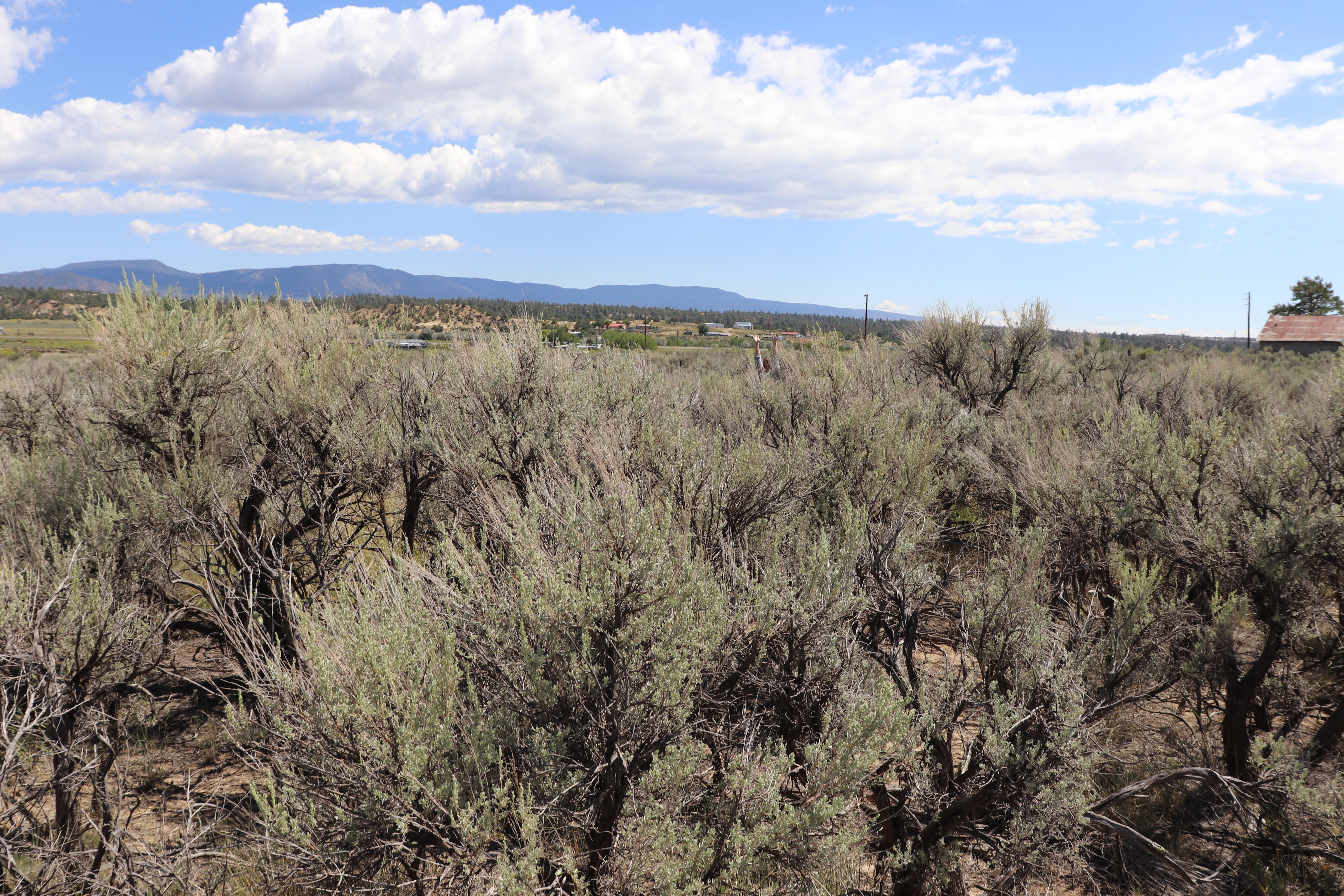
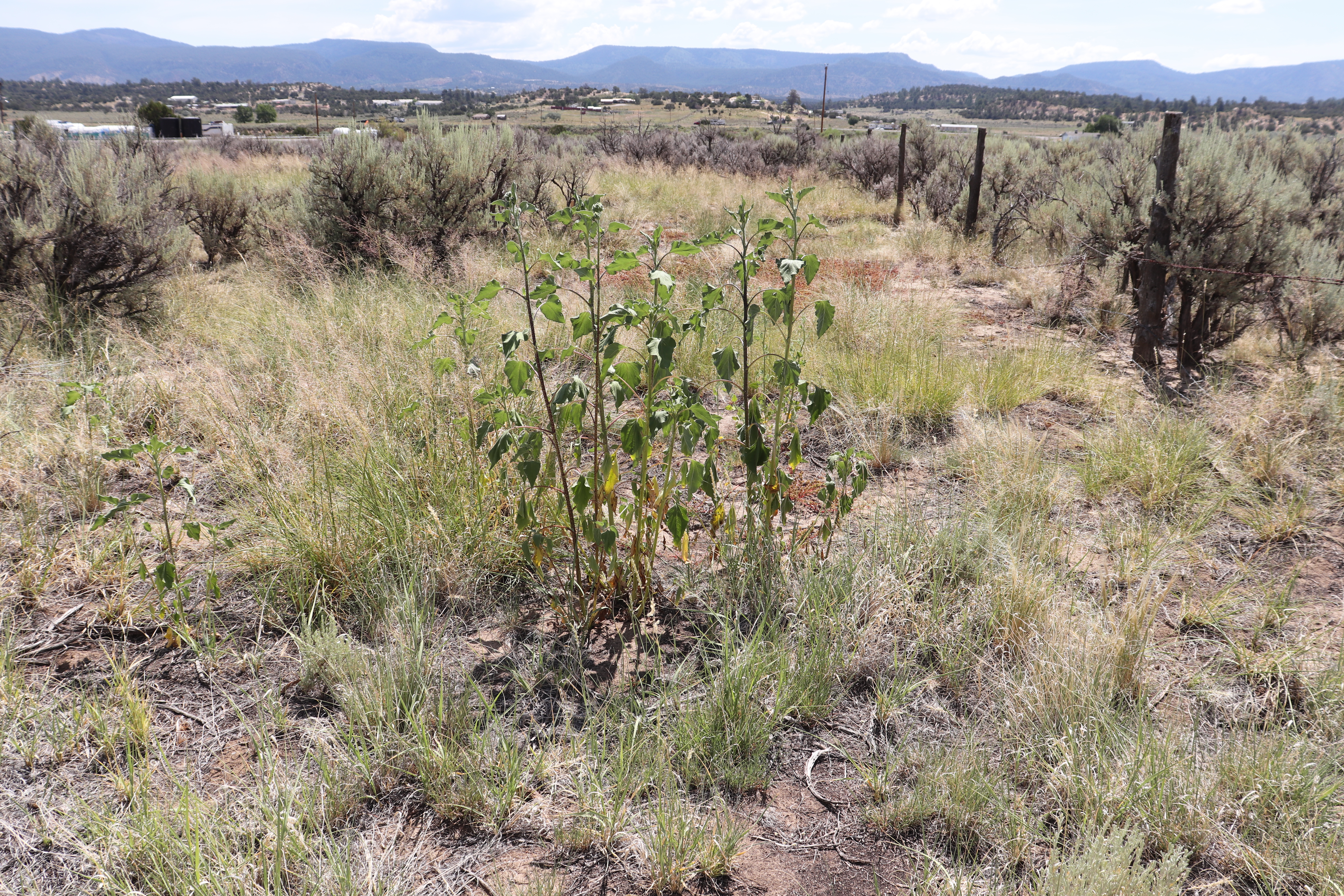
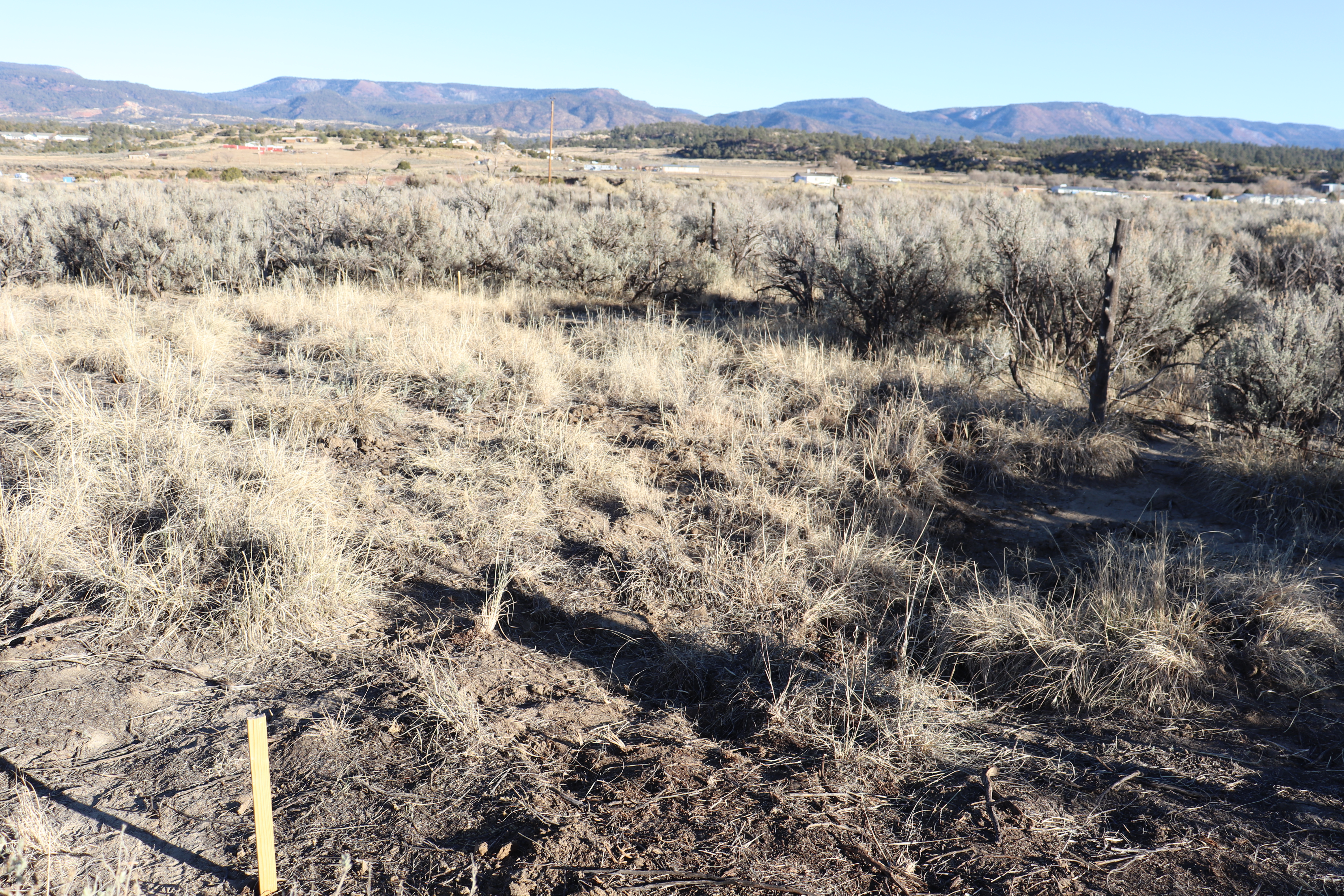
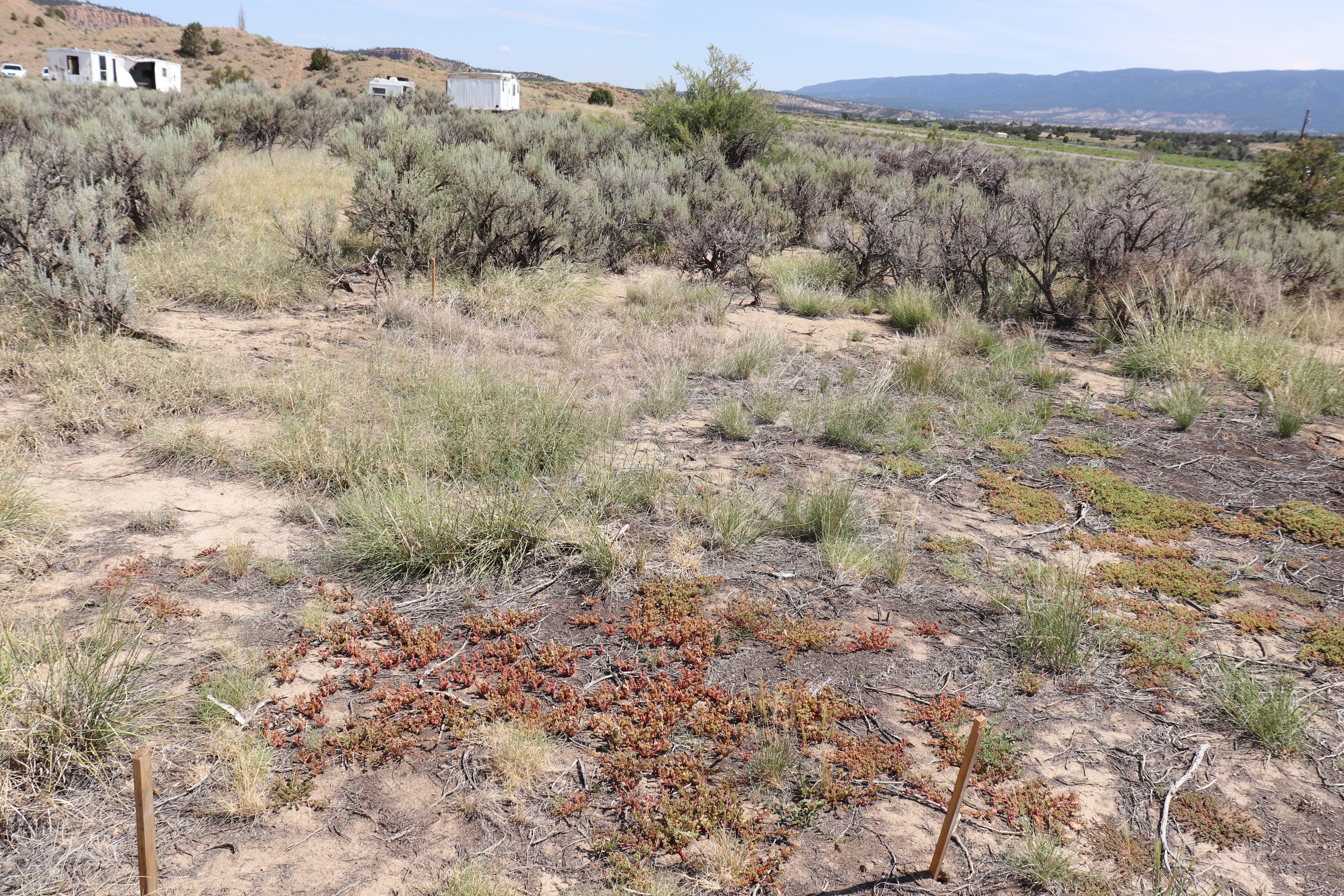
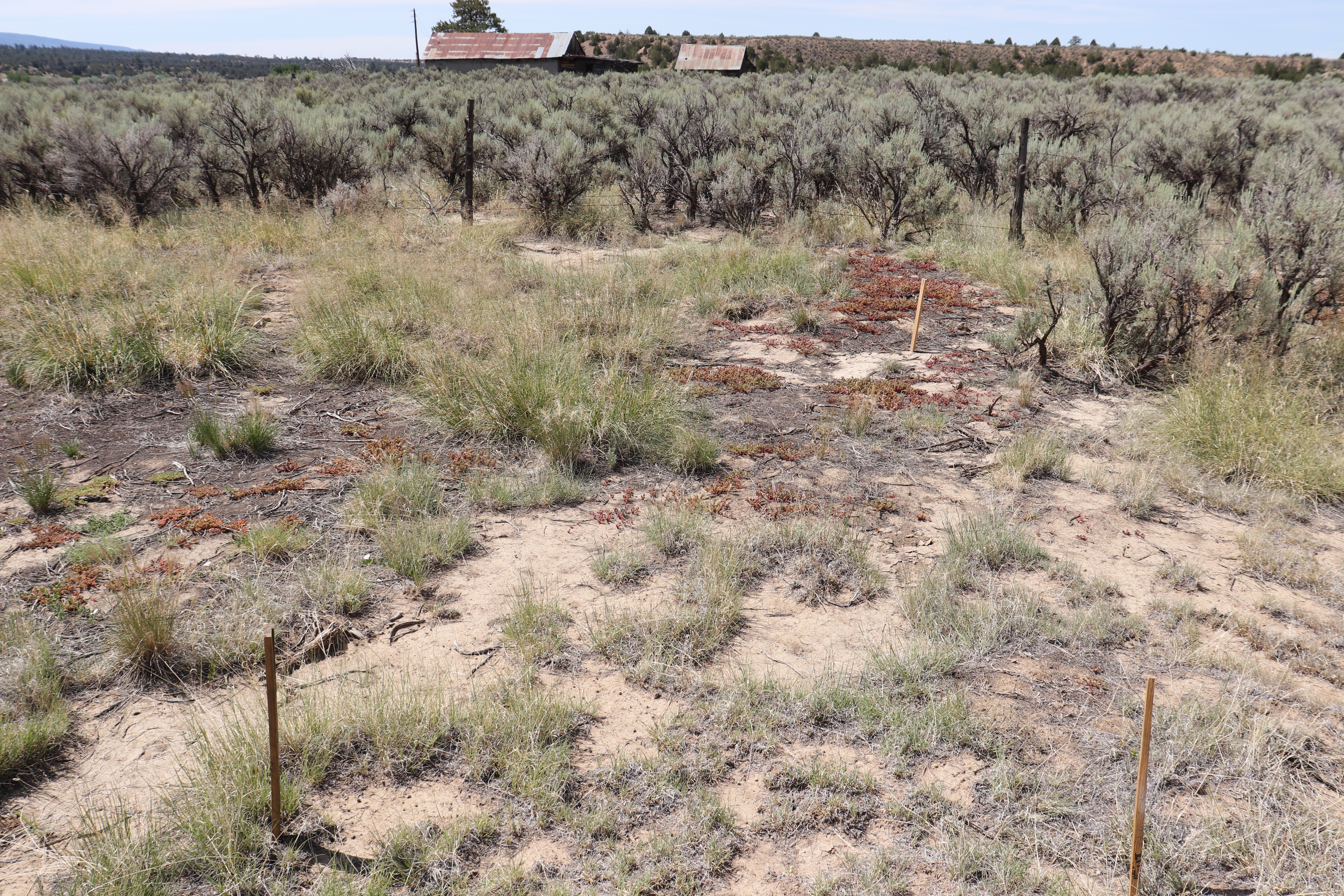
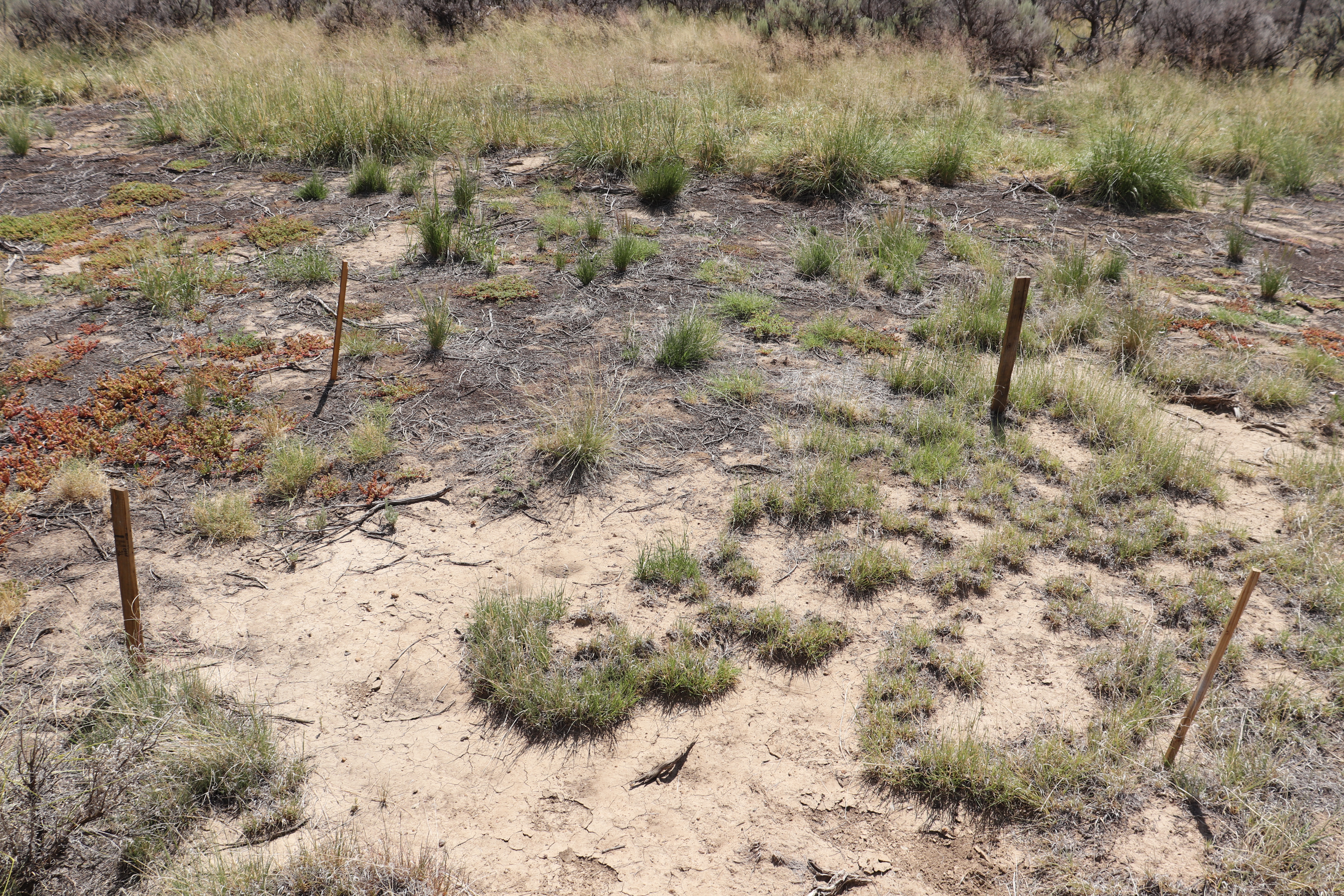
Garden bed area — clearing progress photos
Rainwater Irrigation
The L-shaped container home roof is designed as an angled rainwater catchment system — every drop of precipitation that falls on the property gets captured and put to work. Water channels from the roof into cisterns which then feed the raised garden beds through a drip irrigation system.
At 6,900ft elevation Cuba NM receives modest but meaningful precipitation — especially summer monsoon rains. Capturing that water rather than letting it run off means the garden beds stay irrigated even through dry stretches.
Garden Beds Overview — Nov 29, 2024
Narrated walk through the raised garden beds with measurements
Outdoor Kitchen & Horno
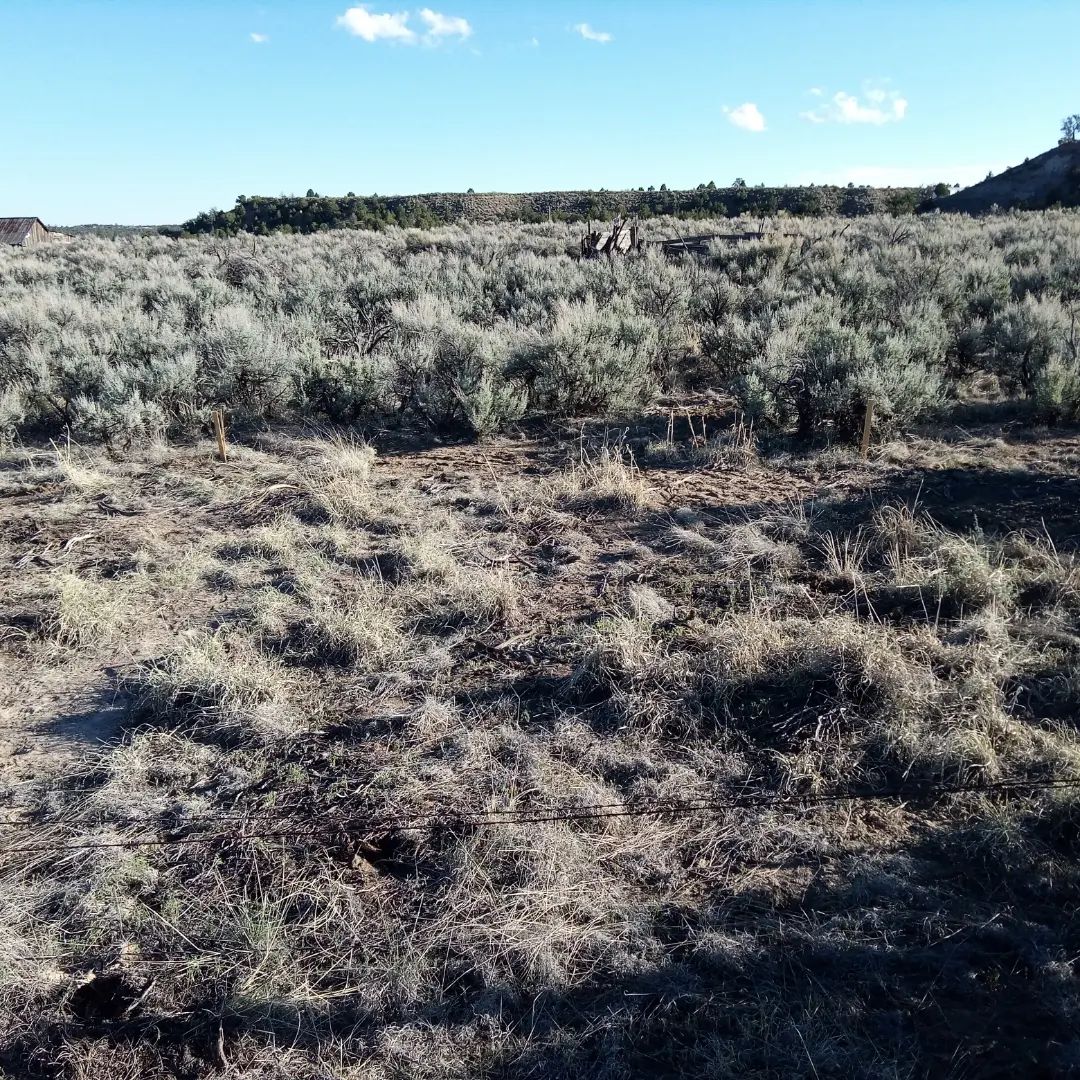
South past the old wooden fence line sits the planned outdoor kitchen and horno area — a large square cinder block structure with a raised grill, work table, and a traditional adobe horno oven built into the south wall.
The horno is the cultural heart of this space — a traditional Navajo and Pueblo outdoor oven used for baking bread and slow cooking. Building one here connects the property to the deep culinary traditions of the region.
-
Cinder block structure
Large square build with raised grill mounted on cinder blocks and a dedicated work table alongside.
-
Traditional horno
Adobe dome oven on the reinforced south wall — for baking bread, slow roasting, and traditional cooking experiences.
-
Angled metal beam roof
Open angled metal beams — snow slides off and melts through, birds can't nest, heat from the grill and horno won't damage the structure.
Crop Field
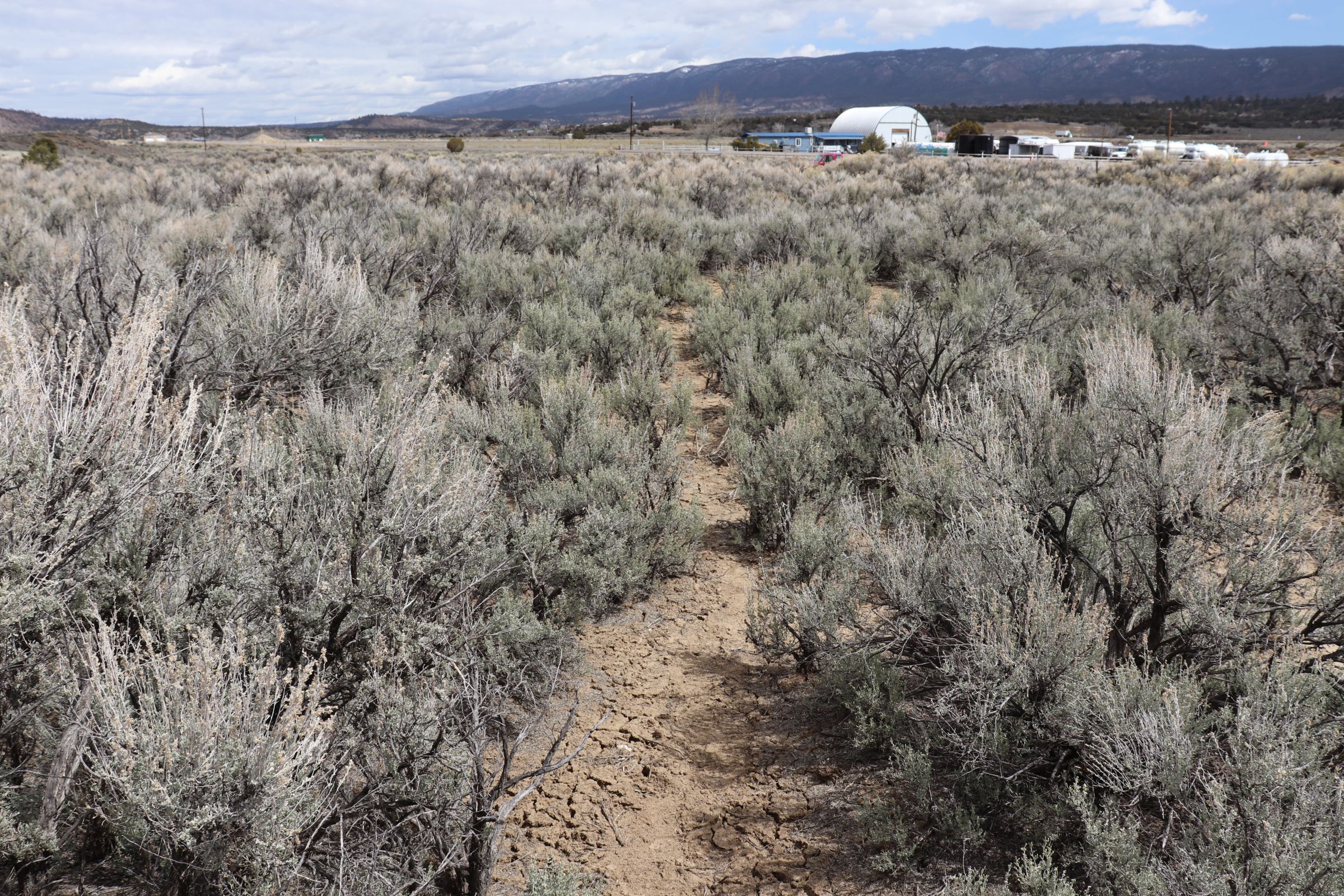
Closer to Highway 197 where water naturally pools and runoff collects sits the planned crop field — a larger scale growing area beyond the raised garden beds. The land already does the work here, directing water toward this low point naturally.
Crop field cultivation will use a tractor to turn and prepare the soil, combined with indigenous growing methods that have worked in this high desert environment for centuries — companion planting, dry farming techniques, and native crop varieties suited to the elevation and climate.
-
Natural water pooling area
Located at the natural low point near the highway — runoff collects here already, making it ideal for crops that need consistent moisture.
-
Tractor soil preparation
Tractor turning and breaking the alluvial high desert soil before planting — preparing the ground for cultivation at scale.
-
Indigenous growing methods
Traditional techniques proven in this environment — companion planting, dry farming, native crop varieties, and pollinator integration.
-
Pollinator corridor
Native pollinator plants throughout — connecting the crop field to the garden beds and supporting the broader land ecosystem.
Beehives
Beehives are planned for the property — exact location still being determined based on how the overall site develops. The goal is to place them where they benefit both the garden beds and the crop field through natural pollination.
Beyond pollination the hives will offer a hands-on experience for visitors — observing bees collecting pollen from the surrounding native plants, interacting with the hives, and harvesting honey when the hives are established and ready.
🐝 Beehive location to be confirmed as the property develops — pollinator plants already being established throughout.
Beehive Photo
Placeholder — coming soon
Property Video
Walk-through video of the garden bed area and property clearing progress — coming once videos are compressed and uploaded to Cloudinary.
Foundation & Garden Path Walk — Sept 19, 2024
Crossroads between house site and raised garden beds
Property Clearing Walk — Sept 22, 2024
Full walk from grill and horno area through to garden bed path
Interested in the Farm & Garden?
From raised beds to rainwater systems — reach out if you want to talk growing, sustainability, or the land's food potential.
Get In Touch